What Is Botox and What Is It Used For?
Botox is a medical aesthetic treatment that aims to soften the appearance of dynamic facial wrinkles by temporarily reducing the movement of mimic muscles. It is most commonly preferred for forehead lines, frown lines and lines around the eyes.
What Is the Main Ingredient of Botox?
The main substance used in Botox treatments is a purified protein called botulinum toxin. When applied in appropriate doses by a specialist physician, it is used in a controlled manner in medical aesthetics.
Where Can Facial Botox Be Applied?
Facial Botox is most commonly applied for forehead lines, frown lines and crow’s feet around the eyes. Depending on the person’s facial structure, it may also be planned for brow lifting, lines around the nose, fine lines above the lips and facial contouring.
How Is Botox Applied?
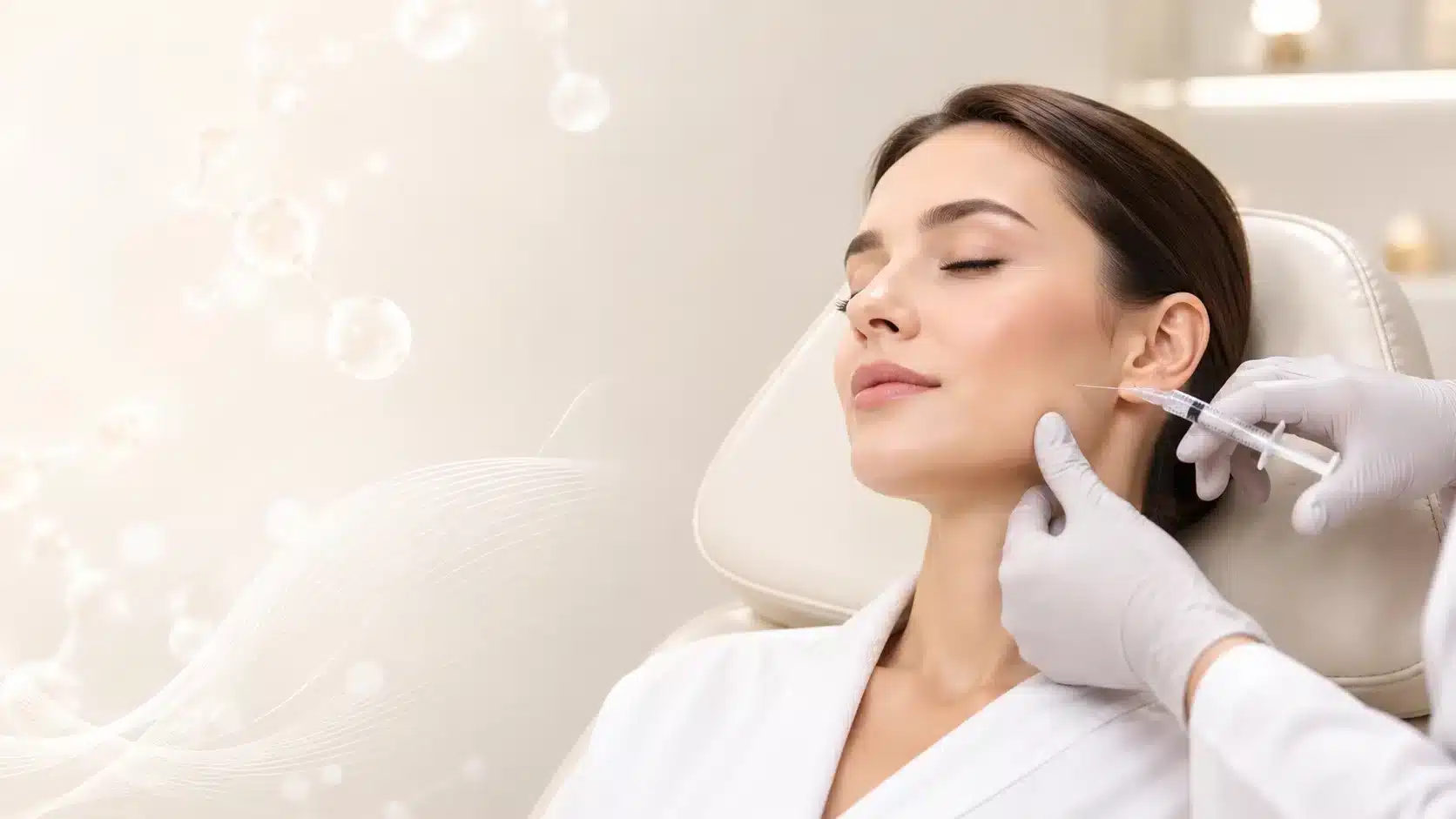
Before Botox treatment, the person’s facial muscles, mimic movements and needs are evaluated. Then small doses are applied to the determined points using very fine needles. The procedure is usually completed in a short time.
Can Botox Cause Allergies?
Allergic reactions after Botox treatment are quite rare. However, the person’s medical history, medications and any previous reactions must be evaluated before the procedure.
A More Rested Appearance Against the Signs of Time
Wrinkles that develop over time around the eyes, forehead, between the eyebrows and in the neck area may cause a person to look more tired, tense or older than they are. These lines usually become more visible due to the repeated movement of mimic muscles.
Botox treatment is one of the non-surgical medical aesthetic procedures that helps reduce the appearance of dynamic wrinkles caused by facial expressions. The aim is not to completely change facial expression, but to support a more rested, natural and balanced appearance.
At Dr. Seher Arı Dermatology Clinic in Göktürk, Istanbul, Botox treatment is planned personally after evaluating the person’s facial anatomy, mimic movements, skin structure and expectations.
What Is Botox?
Botox is the controlled and purified form of botulinum toxin obtained from the bacterium Clostridium botulinum. This substance, which has been used in various fields of medicine for many years, is applied in aesthetic dermatology especially to reduce the appearance of wrinkles caused by mimic muscles.
Botox temporarily reduces muscle movement in the treated area. When muscle movement decreases, the deepening of expression lines may slow down and the appearance of existing lines may become softer.
What Is Botox Used For?
In aesthetic dermatology, Botox is most commonly preferred for mimic wrinkles in the upper part of the face. In suitable patients, it may also be used in different areas such as facial contouring, brow lifting, teeth grinding, neck lines and excessive sweating treatment.
The purpose of Botox varies according to the person’s needs. For some people, the goal may be to achieve a more rested expression, while for others it may be to prevent expression lines from becoming more prominent or to create more balanced facial proportions.
Where Is Botox Applied?
Botox treatment can be applied to different areas depending on the person’s needs and facial anatomy. The most common treatment areas include:
- Forehead lines
- Frown lines between the eyebrows
- Crow’s feet around the eyes
- Wrinkles around the eyes
- Brow lift area
- Bunny lines on the nose
- Fine lines above the lips
- Chin area
- Neck lines
- Décolleté area
- Masseter / teeth grinding area
- Underarm sweating area
The injection points should not be determined according to a standard scheme, but according to the person’s muscle structure and mimic habits.
Botox Treatment Areas
Is Botox a Safe Treatment?
Botox is generally a well-tolerated medical aesthetic procedure when applied to a suitable person, at the correct dose and by a specialist physician. However, as with every procedure, the person’s general health status, medications, allergy history and expectations should be evaluated before Botox treatment.
The procedure may not be recommended during pregnancy or breastfeeding, in certain muscle and nerve diseases, in the presence of active infection or in cases of known sensitivity to botulinum toxin. Suitability should be determined through a doctor’s examination.
When Does Botox Start to Take Effect?
The effect of Botox usually begins to be noticed within a few days after the procedure. Although the time needed for the full effect to appear varies from person to person, it often becomes more visible within 1 to 2 weeks.
During this process, proper planning before the procedure is important to maintain a natural facial expression and achieve a balanced appearance.
How Long Does Botox Last?
The duration of Botox may vary from person to person. The average effect usually lasts between 4 and 6 months. However, this period may differ depending on the person’s mimic use, muscle strength, metabolism, age, lifestyle and the treated area.
With regular treatments, mimic muscle habits may decrease in some people and treatment intervals may become more balanced over time.

What Happens When the Effect of Botox Wears Off?
When the effect of Botox gradually decreases, the treated muscles regain their previous ability to move. During this process, the face does not suddenly become worse; only the mimic movements and line appearance before the treatment may become more noticeable again over time.
Not repeating Botox does not cause any additional deterioration in the skin. However, as the mimic muscles become active again, lines may continue to progress as they did before.
What Should Be Considered After Botox Treatment?
Following the doctor’s recommendations after Botox supports the success of the treatment. In the first hours after the procedure, pressure should not be applied to the treated area, the area should not be rubbed and intense exercise should be avoided.
In general, the following points should be considered:
- The treated area should not be massaged in the first hours.
- Lying face down should be avoided for a short period after the procedure.
- Intense exercise, sauna and hot environments such as Turkish baths should be avoided.
- Pressure should not be applied to the treated area.
- Skin procedures should be postponed for the period recommended by the doctor.
- If a follow-up appointment is required, it should not be neglected.
What Is Neck and Décolleté Botox?
Neck and décolleté Botox may be applied to help reduce the appearance of fine lines, band-like appearance or wrinkles caused by mimic or muscle movement in the neck area.
This treatment is not suitable for every case of neck sagging. Especially in cases with excess skin and significant laxity, Botox alone may not be sufficient. Therefore, the treatment plan for the neck and décolleté area should be determined according to the person’s skin quality and needs.
Is It Possible to Lift the Brows with Botox?
In people with suitable facial anatomy, Botox may be used to aim for a slight lifting effect in the brows and a more open-looking gaze. However, the brow lifting effect varies depending on the person’s muscle structure, brow position and treatment plan.
The aim is not to create an exaggerated expression, but to achieve a more rested appearance while preserving the natural balance of the face.
Frequently Asked Questions About Botox
Does Botox have side effects?
After Botox, mild redness, tenderness, bruising or temporary headache may occur in the treated area. These effects are usually short-lived. In rare cases, asymmetry, eyelid heaviness or temporary differences in facial expressions may occur.
Can side effects occur after Botox treatment?
Can Botox cause headaches?
Some people may experience a temporary headache after Botox. It usually decreases on its own in a short time. A doctor should be contacted in case of severe or prolonged complaints.
Will my face swell if I have Botox?
Botox is not a volume-enhancing filler treatment. Therefore, it does not create fullness or an increase in facial volume. Temporary slight redness or mild tenderness may occur at the injection points.
Will others notice that I had Botox?
In a correctly planned Botox treatment, the goal is to preserve a natural appearance. Treatments performed without freezing facial expression and while maintaining mimic balance may not look obvious or artificial from the outside.
Can I wear makeup after Botox?
After the procedure, it is important not to apply pressure to the skin or rub the treated area during the first hours. For makeup, the period recommended by the doctor should be observed.
Can cream be applied after Botox treatment?
Can I have my eyebrows shaped after Botox treatment?
After Botox, it may be necessary to wait for a certain period before eyebrow shaping, facial care or skin procedures. This period varies according to the treated area and the doctor’s recommendation.
Is it possible to lift the brows with Botox treatment?
Yes, in suitable people, a slight lifting effect in the brows may be aimed for with Botox. However, this effect is not the same for everyone and varies according to the person’s muscle structure.
What should be done to increase the effectiveness of Botox treatment?
Following post-treatment recommendations is important for the effectiveness of Botox. The area should not be massaged in the first hours, intense exercise should be avoided and the follow-up process specified by the doctor should be followed.
Does it hurt a lot during the treatment?
Botox is a short procedure performed with fine needles. Depending on the person’s sensitivity, a mild stinging sensation may be felt. When necessary, an anesthetic cream may be applied before the procedure.
If Botox is not repeated, will I look worse?
When Botox is discontinued, the face does not become worse than before. As the effect wears off, muscle movements return and expression lines may become visible again over time as they were before.
Will my facial expression change or will my gaze look frozen?
The aim of Botox treatment is not to completely eliminate facial expression. With the right dose and correct application, a more rested appearance is aimed for while preserving natural expression.
Can neck lines be treated with Botox?
The type of neck lines is important. Botox may help with some lines related to muscle movement. However, in cases of skin laxity, sagging or deep wrinkles, different dermatological treatments may be required.
Is Botox effective for neck sagging?
Botox is not a procedure that tightens significant skin sagging. It may help with some muscle-related band-like appearances in the neck area; however, it may not be sufficient on its own for sagging.
How much does Botox cost?
The price of Botox varies according to the treatment area, the required dose and the personalized treatment plan. A doctor’s evaluation is required for clear information.
Botox Treatment in Göktürk, Istanbul
Botox treatment is a medical aesthetic procedure that requires accurate evaluation of facial anatomy and personalized planning. For a natural and balanced appearance, it is important that the treatment is planned not only according to the line itself, but also according to mimic structure, muscle strength and overall facial harmony.
At Dr. Seher Arı Dermatology Clinic in Göktürk, Istanbul, Botox treatments are planned with a personalized evaluation for different needs such as the forehead, frown lines, eye area, neck, décolleté, teeth grinding, facial contouring and sweating treatment.
You can contact Dr. Seher Arı Clinic to get information about Botox treatment and evaluate the treatment plan suitable for you.